
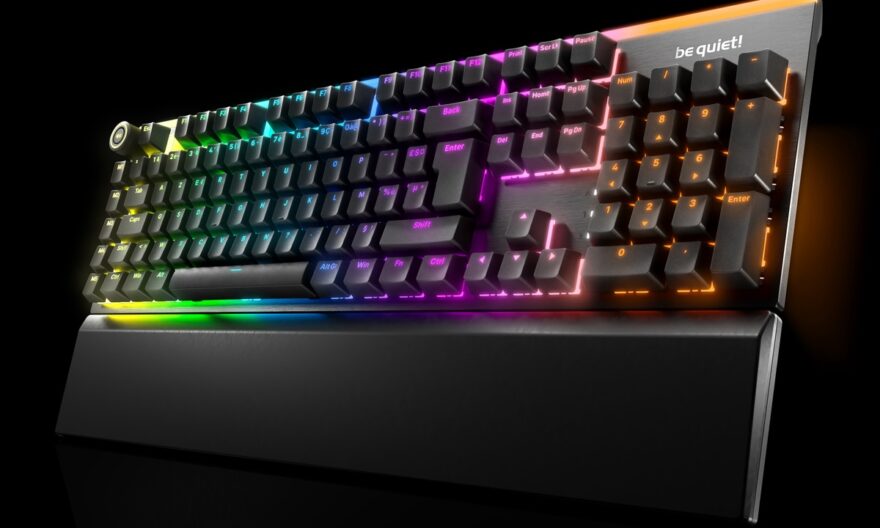
Have you ever faced a situation where you had to explain something seemingly simple, like the placement of a symbol on a keyboard, and found yourself at a loss for words? If you’ve ever received instructions regarding writing a code or an email address, you’ve probably heard of the terms “dash of the 6” or “dash of the 8.” But where do these expressions come from, and why do they seem so peculiar to the French-speaking world? Discover how these expressions have rooted themselves in our daily language and why they continue to raise questions.
Summary in 3 points
- The French origin of the expressions “dash of the 6” and “dash of the 8.”
- Linguistic variations and their impact on understanding keyboard symbols.
- The consequences of using these terms in a globalized digital context.
French origin of the terms
The expressions “dash of the 6” and “dash of the 8” originate from the specifics of the AZERTY keyboard, mainly used in French-speaking countries. Unlike the QWERTY keyboard, widely used around the world, the AZERTY keyboard places certain symbols in different locations. In France, the underscore ” ” is found on the number 8 key, while the simple dash “–” appears under the number 6. It is from this layout that these names come.
This terminology is closely linked to education and the learning of typing in France. Schools and computer manuals have long taught keyboard use based on these names, thus reinforcing their use in everyday language.
Linguistic variations and understanding
The diversity of keyboards around the world leads to communication difficulties, especially in international contexts. When a French-speaking user talks about “dash of the 6” to someone used to the QWERTY keyboard, it can create some confusion. Indeed, on a QWERTY keyboard, the underscore is generally accessible by a different combination, often unrelated to the number 8.
These linguistic variations are also visible in other languages, where the names of symbols can vary. For example, the English “underscore” has no direct translation in several languages, which can lead to misunderstandings. It is therefore essential for users working in multilingual environments to know these differences.
Impact in the globalized digital context
With the rise of digitization and the internet, communications increasingly cross linguistic and cultural boundaries. In this context, the use of terms like “dash of the 6” can pose practical problems, especially in programming or when entering email addresses, where precision is crucial.
Developers and technology professionals often have to adapt to these nuances to avoid communication errors that could affect the proper functioning of computer systems. Awareness of these differences is therefore crucial to improving international collaboration and avoiding misunderstandings.
AZERTY keyboard: another common issue
In exploring the peculiarities of the AZERTY keyboard, another often mentioned challenge is the placement of accents. Unlike other keyboards, AZERTY directly integrates acute, grave, and circumflex accents, which is essential for correct French spelling. However, this layout can be problematic for users writing in multiple languages, as it requires familiarity with specific keys for each accent. This can slow down typing and generate errors, especially for those who frequently switch from one language to another.
Ultimately, although the AZERTY keyboard is designed to meet the needs of French, it remains a source of challenges for international users. The diversity of keyboards and the associated terminology, such as “dash of the 6” and “dash of the 8,” illustrate the complexities of using technology in a globalized world. For tech professionals and everyday users, understanding these nuances is essential to effectively navigate the modern digital landscape.