
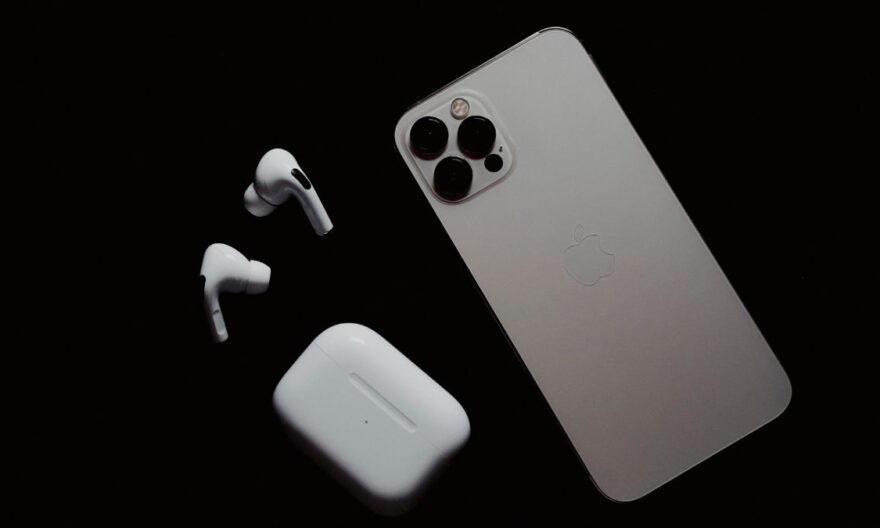
Mid-range and high-end smartphones are now reaching a level of demand rarely achieved before. Manufacturers are refining their models to meet high expectations, both aesthetically and technically. This upscale trend is redefining the benchmarks of the mobile market.
Designs that focus on finesse and visual coherence
Manufacturers like Apple and Samsung pay special attention to the visual aspect of devices. Finishes are becoming more refined, with premium materials like reinforced glass and aluminum frames.
Screens now occupy a large part of the front. Borders are minimized, allowing for a more immersive display surface without increasing the overall size of the smartphone. Display technologies like OLED and AMOLED provide high contrasts and richer colors.
Harmony between visual elements becomes an essential criterion. Camera modules are integrated more discreetly, sometimes aligned with the chassis to limit aesthetic disruptions. This quest for balance gives rise to more understated and homogeneous devices.
Performance that steps up a notch without weighing down the experience
Mid-range and high-end smartphones integrate increasingly powerful processors. These components allow for handling complex tasks, such as video editing, advanced gaming, or high-resolution image processing.
Systems like Android and iOS fully exploit these capabilities. Software optimization ensures constant fluidity, even when running multiple applications simultaneously.
Thermal management is also a priority. Manufacturers integrate solutions to prevent overheating, allowing performance to be maintained over time. Devices thus remain stable, even during intensive use.
Cameras that rival some professional equipment
Camera modules play a central role in current smartphones. Sensors are becoming more efficient, with better light and detail management.
Image processing algorithms improve photo quality without requiring user intervention. Shots are optimized in real-time, with more accurate color and contrast rendering.
Video capabilities are also evolving. Smartphones can now film in high resolution with advanced stabilization. This evolution brings smartphones closer to specialized equipment while maintaining their compact format.
Battery life designed to support intensive use
Manufacturers aim to offer batteries capable of keeping up with current usage. Smartphones must last a full day, even with sustained use.
Fast charging technologies reduce the time spent plugged in. In a few minutes, it becomes possible to recover a significant portion of battery life, facilitating daily management.
Android and iOS systems also integrate energy management mechanisms. Some applications are put on standby when not in use, limiting overall consumption.
An upscale trend that redefines market expectations
Mid-range and high-end smartphones tend to offer similar features, even if differences remain. More accessible models benefit from technologies previously reserved for the most expensive devices.
This evolution changes user benchmarks. Expectations now focus on the balance between design, performance, and battery life. Differences between the various ranges become more subtle.
Manufacturers adapt their strategies to meet these new demands. Innovations focus on gradual improvements rather than drastic changes. This approach maintains a high level of quality while ensuring overall coherence in the offering.
Mid-range and high-end smartphones thus define new standards, where the pursuit of finesse, power, and fluidity guides product evolution.