
The smartphone market is going through a tumultuous period. In 2026, it faces a drastic drop in sales, fueled by rising prices and a lack of significant new features. Consumers, cautious, now prefer to keep their devices longer or invest in high-end models. Discover why this trend could continue in the coming years.
Key Takeaways
- The smartphone market is expected to contract by 12% in 2026.
- The total market value increases despite the drop in sales, reaching $651.6 billion.
- Consumers are turning to more expensive models, with an increase in the share of smartphones sold for over $800.
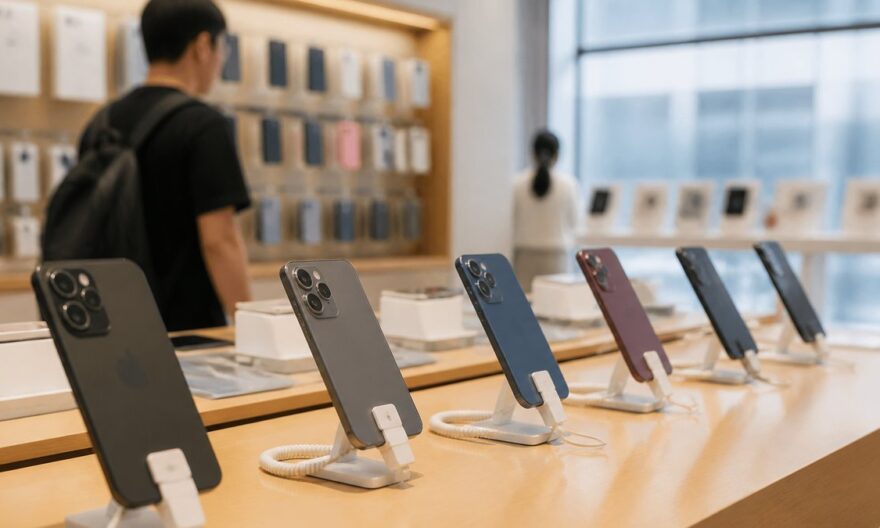
Imagine yourself walking through a mobile phone store. You look at the latest models on display, and you notice that many of them seem similar to those from the previous year, but with significantly higher prices. You then wonder if it’s really worth replacing your current smartphone. It’s a dilemma that many consumers share today.
Omdia Figures: A 12% Drop in Smartphone Shipments in 2026
According to research firm Omdia, the global smartphone market could see a 12% drop in 2026, reaching 1,097 million units shipped. This decrease is considered concerning, as it represents the lowest figure in recent years. The forecasts for 2027 are not more encouraging, with similar prospects.
This decline is mainly attributed to the increase in device prices, which discourages consumers from buying as frequently as before. Moreover, the new features offered by manufacturers no longer seem to attract as much as before, leading to a trend of keeping phones longer.
The Rise in the Smartphone Market Value to $651.6 Billion
Despite the drop in sales, the total value of the smartphone market is expected to increase by 12%, reaching $651.6 billion in 2026. This rise is explained by a change in consumer preferences, who are turning to more expensive models.
Smartphones sold for over $800 see their market share increase significantly, from 21.1% in 2025 to 28.4% in 2027. This reflects a trend to invest in more powerful and durable devices, even if it means a higher initial cost.
The Impact of the RAM Crisis and Manufacturers’ Adjustments
The RAM crisis has hit the smartphone industry, making it difficult for manufacturers to keep prices low. Entry-level models are particularly affected by this situation, pushing consumers to opt for more expensive but more powerful options.
Many manufacturers are diversifying their offerings to compensate for the decline in smartphone sales. For example, Apple has recently expanded its catalog with the launch of new models such as the iPhone 18 Pro and the iPhone Duo. This approach allows companies to maintain their profitability, even if smartphone sales slow down.
Implications for the Technology Industry in 2026
With the decline in smartphone sales, the technology industry is exploring new ways to stimulate growth. Wearables, audio, and other digital products are becoming increasingly important segments for companies like Apple. This diversification is crucial to maintaining innovation and adapting to changing consumer needs.
Furthermore, advances in augmented and virtual reality offer promising opportunities for technology manufacturers. These innovations could redefine how consumers interact with technology, opening new perspectives for the industry in the coming years.
FAQ on the Declining Smartphone Market
Why is the smartphone market declining in 2026?
The smartphone market is declining mainly due to rising prices and a lack of significant new features, prompting consumers to keep their devices longer.
How are smartphone manufacturers adapting to the drop in sales?
Manufacturers are diversifying their offerings by expanding their product catalog, focusing on segments like wearables and audio to compensate for the decline in smartphone sales.
What is the impact of the RAM crisis on smartphone prices?
The RAM crisis has led to an increase in manufacturing costs, particularly for entry-level models, further accentuating the overall rise in smartphone prices.
What are the prospects for the smartphone market by 2027?
The prospects for the smartphone market remain uncertain, with forecasts of declining sales but an increasing market value due to the shift to more expensive and powerful models.