
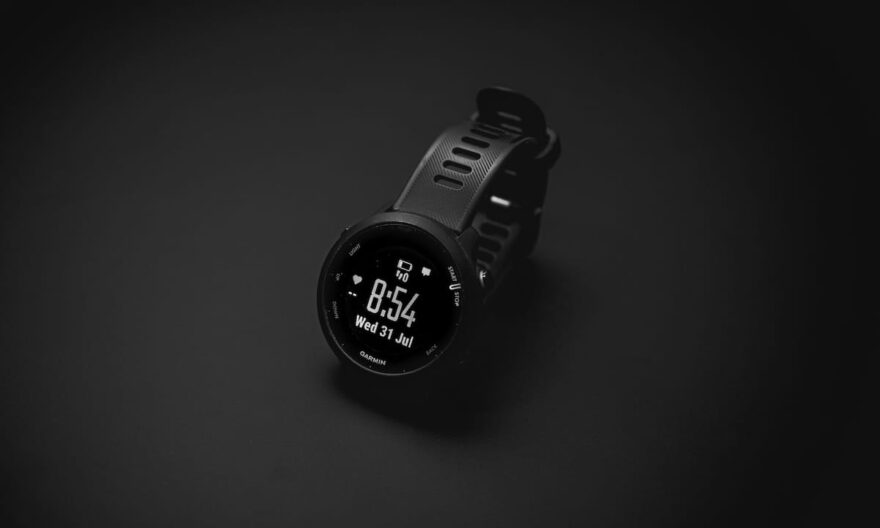
At the dawn of 2026, smartwatches have established themselves as indispensable daily allies, offering much more than just the time and a few notifications. But how do you navigate the many models available on the market, each promising innovative and specific features? This article guides you through the main criteria to consider when choosing the smartwatch that will truly meet your needs.
The essentials to remember
- The advanced features of smartwatches go beyond displaying the time, integrating physical activity tracking, sleep analysis, and health measurements.
- Battery life remains a determining factor, with models capable of operating for more than twenty days thanks to innovations like solar charging.
- Compatibility with smartphones and the quality of sensors are essential for optimal use.
Imagine yourself on a morning run, your smartwatch on your wrist, instantly providing valuable data on your performance. Or waking up gently thanks to a detailed analysis of your sleep cycle. Smartwatches are no longer just gadgets: they can transform your daily life. But for that, it is crucial to choose the one that suits you best.
The key features of a smartwatch in 2026
Today’s smartwatches are no longer limited to basic features. They are equipped with sophisticated sensors capable of tracking your physical activities, detailed sleep analyses, and certain health data. However, it is important to remember that these watches are not medical devices, although some data can provide a useful insight into your daily well-being.
In 2026, users are looking for devices that integrate seamlessly into their routines. Features such as compatibility with a wide range of smartphones, sensor accuracy, and battery life are often at the heart of consumer concerns.
Battery life: a determining choice criterion
The battery life of a smartwatch remains an essential criterion for many users. Nothing is more frustrating than a device that requires daily recharging, especially if you want to track your sleep. Current models on the market generally offer a battery life of three days, but some, thanks to solar charging, can achieve more than twenty days of continuous use.
The choice of battery life largely depends on your needs and lifestyle. If you are an athlete or enjoy outdoor adventures, extended battery life will certainly be a major asset.
Compatibility and software quality
Compatibility with smartphones is a crucial aspect to check before buying. Although many smartwatches are compatible with various operating systems, some advanced features may be limited depending on the ecosystem used. It is therefore advisable to check the specific functions supported by your smartphone before finalizing your purchase.
The quality of the software is also paramount. The CEN ISO/TS 82304-2 standard, published in 2021, establishes criteria for evaluating the quality of health and wellness applications, although it does not set a minimum standard for the accuracy of smartwatch sensors.
Hybrid watches: an interesting option for 2026
Hybrid watches offer an attractive alternative for those who prefer a traditional design without compromising on connected features. They combine the classic appearance of a watch with some modern features, appealing to those seeking discretion and extended battery life.
These watches can be an excellent option for those who do not want a fully digital watch but still wish to benefit from some connected features.
Future trends in the smartwatch sector
The smartwatch market continues to evolve rapidly, with technological innovations constantly pushing the boundaries. Companies like Garmin and Fitbit are exploring advanced biometric sensors to offer an even more personalized user experience. Smartwatches could soon offer more in-depth health features, such as early disease detection through AI.
With the rise of augmented reality (AR) technologies, we could see smartwatches capable of interacting with their environment in unprecedented ways, offering new ways to interact with the digital world.
Evolution of the wearable technology sector
The wearable technology sector is increasingly moving towards integrated solutions that combine convenience and functionality. Brands like Apple and Samsung are investing in advanced battery technologies and flexible displays to offer more durable and reliable devices.
Furthermore, the Internet of Things (IoT) continues to transform the way wearable devices interact with each other, thus increasing the connectivity and efficiency of devices within the digital ecosystem.
FAQ on smartwatches in 2026
How important is battery life for a smartwatch?
Battery life is crucial, especially for those who want to track their fitness or sleep without having to constantly recharge their device. A battery life of several days is ideal for continuous use.
Are smartwatches compatible with all smartphones?
Although many watches are compatible with various operating systems, some advanced features may be limited if the watch is not from the same ecosystem as the smartphone.
Are hybrid watches a good alternative?
Yes, they offer the best of both worlds: a classic design with basic connected features, appealing to those seeking discretion and battery life.
How are smartwatches evolving with technology?
Innovations in biometric sensors and augmented reality promise to further transform smartwatches, offering increased personalization and new ways to interact with the digital world.